How to Find an Interior Design Style That Reflects You
Looking into some popular design styles — and how to choose one that truly resonates with who you are.
Designing an interior space can become overwhelming when you hear of different styles, trends, terminologies, pictures of interiors seen online, AI generated Pinterest images and more. However, it is important to understand that beyond the images that you see on social media, your interiors should truly resonate with who you are as a person and what your feelings should be when you enter that space. Do you prefer to be in a calm atmosphere with relaxing sounds, soft colours, simple furnishings, or do you want to be in a space which reminds you of your hometown, with unique patterns, fabrics and colours that represent your culture? Or do you like to experiment with bold designs, colours and furnishings that make your space stand out? Some of the popular design styles are traditional, contemporary, minimalism, mid-century modern, industrial, japandi and eclectic.
Traditional, Contemporary and the Art of Restraint
Traditional design is inspired by classic European homes. It emphasizes symmetry, elegance, rich colors, luxurious furniture, and decorative architectural details like crown molding and built-ins. On the other hand, if you’re a person who likes art and wants to experiment, you could opt for an abstract style. Your space should be an expression of yourself, your interests and feelings. It can be tempting to follow a trend because it is all over the internet or at the stores. If you’re looking for an ever-evolving style, and interested in what’s happening now, you could go for contemporary style. Contemporary design blends current trends with timeless elements. Neutral colors, open layouts, and clean lines create a fresh and modern look.
Minimalism is quite popular too. Minimalism focuses on simplicity and purpose. It uses limited colors, essential furniture, and minimal décor to create a calm, clutter-free space. It is more intentional than cluttering. On the other hand, Maximalism embraces bold colors, patterns, and layered textures. The style is expressive, vibrant, and full of personality. It has more layers, patterns and is a way of storytelling. Mid-century modern design features clean lines too. It integrates geometric shapes and natural materials. Vintage-inspired furniture and simple décor create a timeless appeal.
Whereas countryside offers rustic, traditional furniture and warm atmospheres, Rustic Farmhouse focuses on functional, cozy spaces with natural materials, and Modern Farmhouse merges contemporary minimalism, open layouts, and modern fixtures. Modern farmhouse combines rustic charm with modern functionality. Warm wood tones, light colors, and practical furnishings create a welcoming atmosphere. It can be a combination of contemporary with minimalism, simplicity, open floor plans and modern fixtures.
Industrial, Mediterranean and the Decorative Movements
Industrial style highlights raw materials like brick, metal, wood, and concrete. Soft furnishings can help balance the rugged look to give a modern urban feel. If you are a person who enjoys spending time at the beach, likes to experience a connection with nature and intends to bring it indoors, you can go for a Mediterranean design. Mediterranean design brings a relaxed coastal feel. Warm neutrals, earthy colors, natural materials, and decorative tiles define the style. It draws inspiration from South Italy, coastal regions, France, Greece and more.
Art Deco features geometric shapes, decorative details, and luxurious materials, blending modern and traditional elements, while Art Nouveau emphasizes curves, artistic forms, nature-inspired motifs, and broken lines. Bauhaus focuses on simplicity, functionality, and minimalism, whereas Baroque is known for grandeur, ornate details, and intricate carvings. Dark Academia draws from gothic architecture, libraries, and dark hues. Gothic is dramatic with pointed arches and dark colors.
Japanese, Japandi and Eclectic Influences
Japanese Interior Design emphasizes simplicity, minimalism, natural and earthy colours, low furniture, and timeless, simple and elegant finishes. Whereas Japandi combines Japanese and Scandinavian design. It focuses on simplicity, natural materials, clean lines, and balanced décor. Eclectic style mixes different design elements to create a unique look. Consistent colors and balanced proportions help maintain harmony — different elements combined in an unexpected pattern.
Other design styles include African, English Countryside, and Indian. African style showcases tribal patterns, bold colours, and cultural integration with vibrant colours. It is also specific to regions like Moroccan and South African styles. If you intend to bring in the traditional Indian interior style to your spaces, it could be achieved through vibrant colours, warm and spiritual environments that showcase craftsmanship, heavy wooden furniture, rich textiles, intricate patterns, and jewel tones embodying the cultural heritage. Chinoiserie showcases ornate, whimsical patterns influenced by Chinese designs. English Countryside also includes rustic, traditional furniture with a warm feeling. Similarly, Mexican style is vibrant and colorful, celebrating the hues of Mexico.
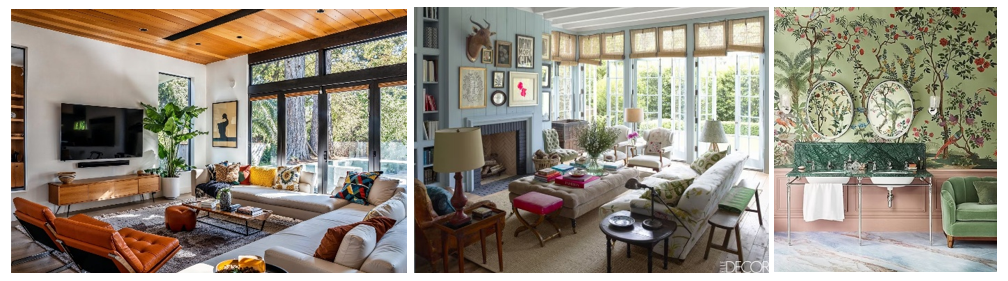
Fig. 2. From left: Mid-century modern interior, Eclectic Style, Chinoiserie Interiors
Biophilic design is also quite popular nowadays. Biophilic design brings natural materials, light, and life into space, and Bohemian style mixes patterns and travel-inspired objects, with modern boho favoring neutral tones. Coastal design uses soft whites, beiges, natural materials, and seaside-inspired elements, and Contemporary emphasizes clean lines and evolving trends.
Choosing a Style That Reflects You
It is easier to get distracted by different trends, styles, looking at what others are doing and images circulating online. However, choosing the right interior design style must come from understanding your personal interests, hobbies, lifestyle and how you want to feel in a space. Are you inspired by traditional designs or do you like to be in a clutter-free space, with simple lines, or do you like to experiment with colors and styles, or do you want to have access to lots of natural lighting, large windows, accent lighting and soft fabrics?
The best style is one that reflects who you are as a person and the personality of those living in that space. Taking inspiration from different styles, looking at examples of case studies, creating mood boards, researching about its history, and looking into the materials, colours and furniture that make you feel comfortable and relaxed can help narrow down ideas to create a comfortable and functional space that truly resonates with you.
Interior DesignPopular Design StylesInterior TrendsHistoryStyles
SJ
Ms. Sandra Job
Gulf University