Gulf University Ranked Among Top Universities in Bahrain and the Arab Region 2026
Why Sustainability and Academic Excellence Matter in Modern University Rankings
Discover how sustainability, academic excellence, and innovation are shaping modern university rankings and strengthening Gulf University’s regional reputation.
The future belongs to those who prepare for it today.
Malcolm X
The university ranking system has changed significantly over the last decade. Modern university rankings are no longer based solely on academic reputation or research publications. Today, modern ranking systems evaluate universities through a much broader lens that includes sustainability, innovation, employability, research impact, community engagement, digital transformation, and international collaboration.
As higher education institutions across the GCC and the Arab region compete for recognition, universities are increasingly expected to demonstrate measurable contributions not only to academics but also to society and sustainable development.
This shift explains why sustainability and academic excellence have become deeply connected in modern university rankings.
For Gulf University, this evolving higher education landscape has created opportunities to strengthen both its academic standing and sustainability profile across regional and global ranking systems.
The Changing Nature of University Rankings
Today’s students are making educational decisions differently from previous generations. Traditional university rankings previously focused heavily on academic reputation, faculty qualifications, research publications, and citation performance, as illustrated in Figure 1.
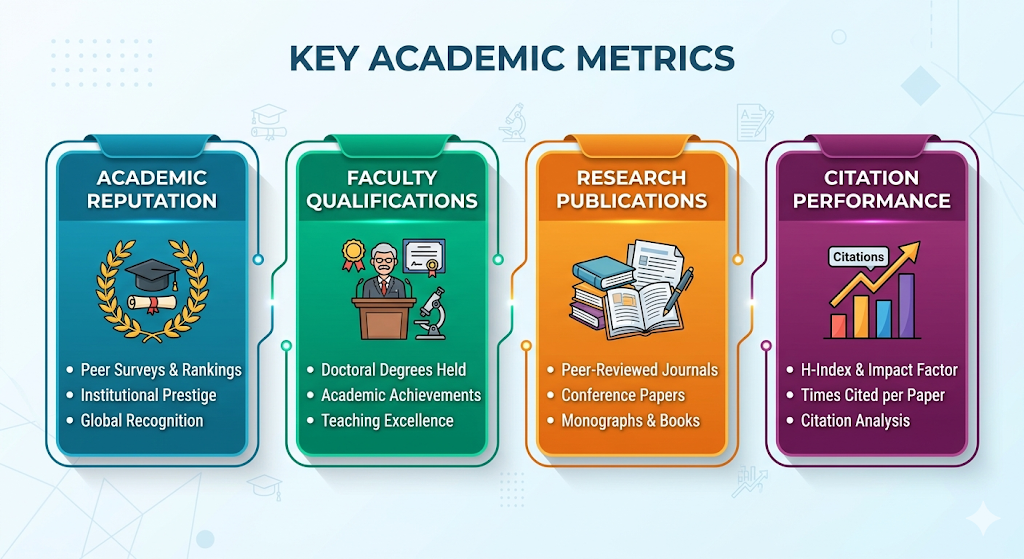
Figure 1: Key Academic Metrics
While these factors remain important, ranking organisations today increasingly evaluate how universities contribute to wider global priorities. Modern ranking frameworks now assess sustainability initiatives, environmental responsibility, industry collaboration, innovation ecosystems, community impact, student employability, and international engagement, as presented in Figure 2.
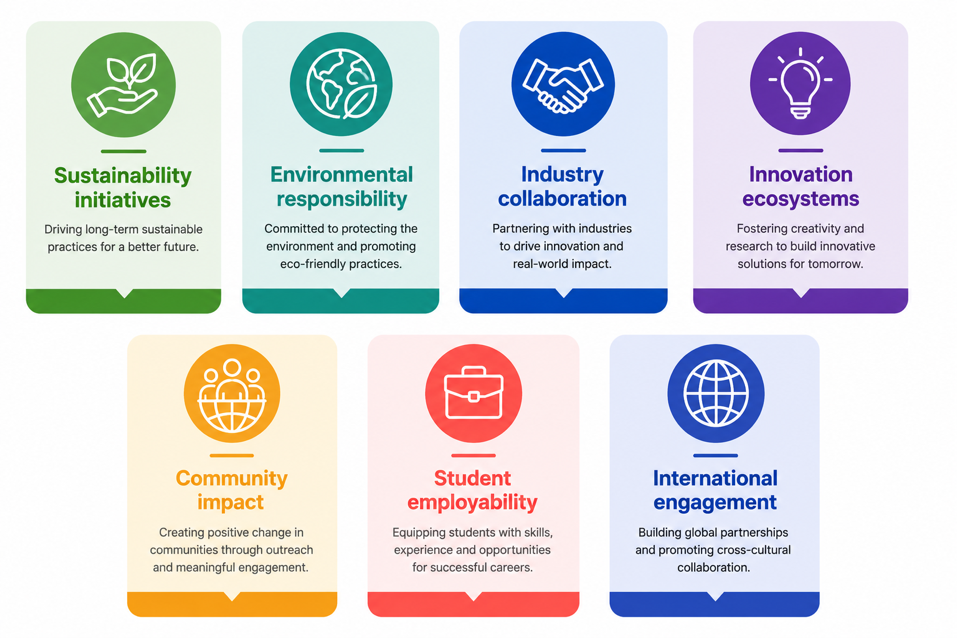
Figure 2: Modern Ranking Framework
This broader approach reflects a growing understanding that universities play a far more strategic role in national and global development. Institutions are no longer evaluated only by what happens inside classrooms. They are assessed by how effectively they contribute to solving real-world challenges.
Why Sustainability Has Become Central to University Rankings
Sustainability is now one of the fastest-growing evaluation areas in global higher education rankings. This is happening because governments, industries, and students increasingly expect universities to contribute directly to environmental and social progress.
Global ranking systems such as:
- UI GreenMetric World University Rankings
- Times Higher Education (THE) Impact Rankings
- QS Sustainability Rankings
all measure sustainability-related institutional performance.
These rankings evaluate all 17 SDGs, including areas such as energy efficiency, waste management, water conservation, sustainable infrastructure, climate action initiatives, green transportation, sustainability-focused education, and community engagement, as illustrated in Figure 3.
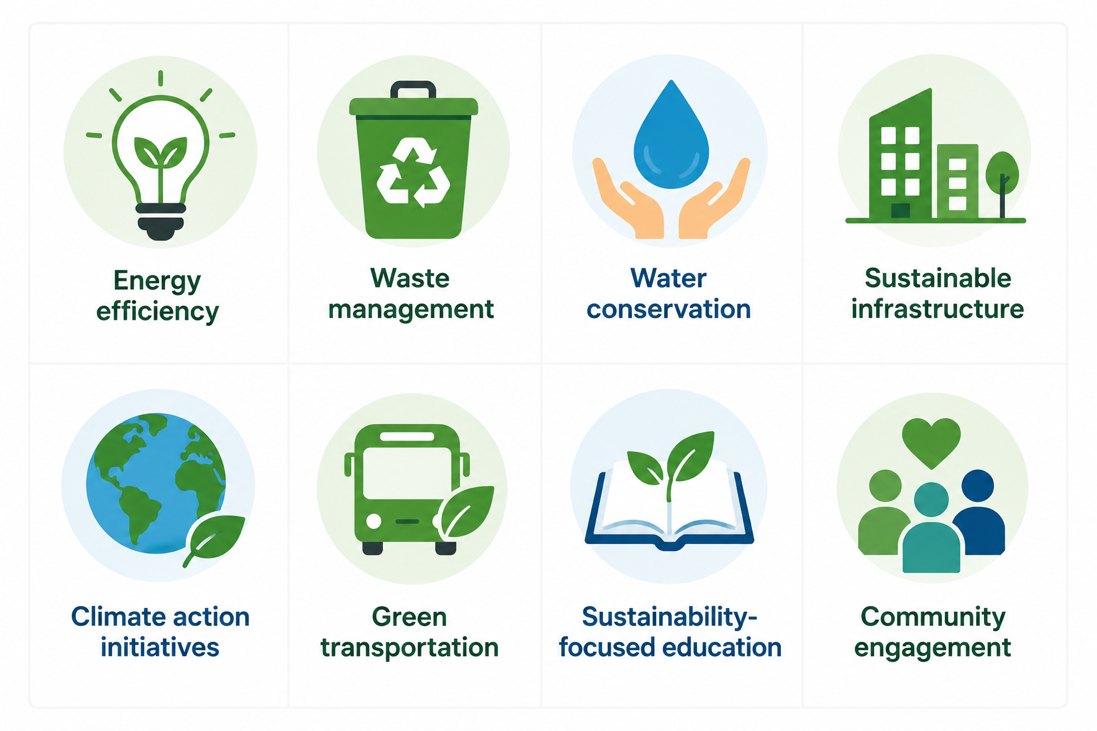
Figure 3: Additional Sustainability Initiatives
Universities that integrate sustainability into both campus operations and academic strategy are increasingly strengthening their international reputation.
Academic Excellence Still Remains the Foundation
While sustainability has become increasingly important, academic excellence remains the foundation of institutional credibility. Modern university rankings still place strong emphasis on educational quality, scientific research, innovation output, faculty expertise, graduate outcomes, and international collaboration.
Universities that perform strongest globally are typically those capable of combining robust academic systems with strong research productivity, an innovation-driven culture, sustainability leadership, and meaningful industry relevance.
This balance is increasingly becoming the defining characteristic of competitive universities worldwide.
How Gulf University is Strengthening its Academic and Sustainability Profile
Gulf University has increasingly aligned its institutional development with academic quality, research focus, and sustainability-focused growth. This approach is reflected in its improving visibility across regional and global ranking systems.
According to the UI GreenMetric World University Rankings 2025, Gulf University achieved:
2nd in Bahrain
The highest-ranked private university in the Kingdom of Bahrain.
750th Globally
Recognized worldwide within the UI GreenMetric World University Rankings 2025.
These results reflect the university’s continued investment in:
- Energy efficiency
- Environmental management systems
- Sustainability education
- Green campus infrastructure
- Responsible institutional practices
The university has also strengthened its regional academic standing through participation in the Arab Ranking for Universities (AARU) 2025. Within this framework, Gulf University emerged as:
The only university from Bahrain represented within the top 31% of ranked Arab institutions.
These achievements continue to strengthen Gulf University’s visibility among leading universities in Bahrain and improve its position within Arab university rankings.
Sustainability at Gulf University Goes Beyond Rankings
For Gulf University, sustainability is not treated as a branding exercise or isolated institutional initiative. Instead, it is embedded within the university’s academic, operational, and community engagement framework through its active centers like the Sustainability Development Makers Center and the Community Engagement Center. The university has also aligned its educational and operational framework with all 17 SDGs, reflecting its long-term commitment to responsible and sustainable development.
For the past three years, Gulf University has continuously published Annual Sustainability Reports alongside dedicated reports for each individual SDG on its official website. This ongoing reporting reflects the university’s commitment to transparency and measurable progress toward sustainability goals.
Gulf University’s sustainability framework is also closely aligned with Bahrain Vision 2030 and the Kingdom of Bahrain’s national SDG priorities, ensuring that the university’s initiatives contribute directly to broader national development objectives and global sustainability efforts.
Students, researchers, and community stakeholders can explore how each SDG is connected to Bahrain’s national sustainability agenda through Gulf University’s SDG initiatives platform: Gulf University SDG Initiatives (https://www.gulfuniversity.edu.bh/sdg-initiatives).
This commitment influences academic programs, research activities, community outreach, campus operations, and student engagement initiatives, ensuring that sustainability remains integrated across both the educational and institutional environment of the university.
The university has also introduced several sustainability-focused initiatives as illustrated in Figure 4, including smart campus technologies, solar energy integration, recycling and waste management programs, environmental awareness campaigns, Annual Sustainability Week activities, and community engagement workshops focused on sustainability awareness.
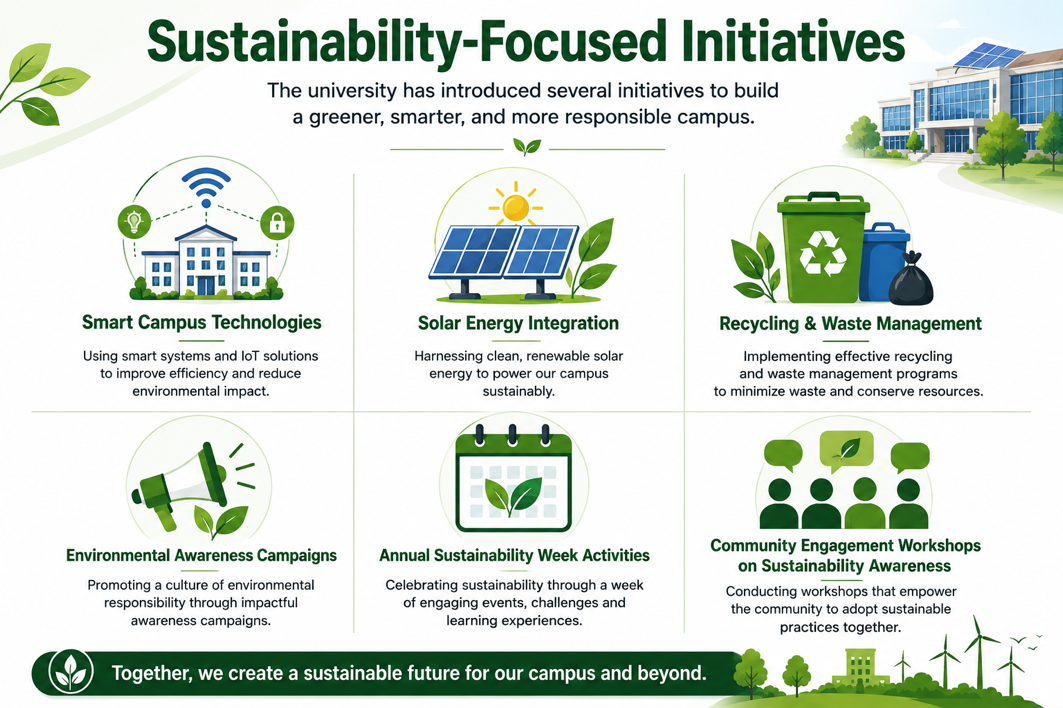
Figure 4: Sustainability Focused Initiatives of Gulf University
This integrated approach allows students to experience sustainability as an active part of their everyday educational environment.
Why Students Increasingly Care About Rankings
Today’s students evaluate universities very differently from previous generations. They are increasingly seeking institutions that provide strong career preparation, international recognition, industry relevance, innovation opportunities, sustainability leadership, and practical learning experiences. Modern university rankings help students identify universities that are actively investing in these areas.
For many students and their families, rankings now serve as important indicators of educational quality, graduate employability, institutional credibility, and long-term career value.
As a result, universities that successfully combine academic excellence with strong sustainability performance are becoming increasingly attractive to future students.
The Future of Higher Education Rankings
The future of higher education rankings is expected to become increasingly multidimensional, with universities being evaluated not only on academic performance but also on their contribution to climate action, research innovation, digital transformation, social impact, workforce readiness, and the achievement of sustainable development goals.
The institutions that successfully adapt to these evolving expectations will continue strengthening their regional and global competitiveness.
For Gulf University, ongoing investment in academic quality, sustainability initiatives, research development, innovation ecosystems, and international benchmarking continues to position the university for long-term institutional growth and future global recognition.
Conclusion
Modern university rankings now measure far more than academic performance alone. They increasingly reflect how effectively institutions combine academic excellence, sustainability leadership, research impact, innovation, community engagement, and graduate preparedness into a comprehensive educational ecosystem.
Gulf University’s recent progress in local, regional, and global rankings demonstrates its growing commitment to these priorities through sustainability-focused initiatives, academic development, innovation-driven learning, and participation in international benchmarking frameworks.
As higher education continues to evolve globally, universities that successfully integrate sustainability with academic excellence will be the ones best positioned for future relevance, international recognition, and long-term impact.
In this rapidly changing academic landscape, Gulf University continues to position itself as a forward-looking institution committed to shaping the future of higher education in Bahrain and the wider Arab region through sustainability, innovation, and academic excellence.
Sources and Ranking Agencies
- uigreenmetric.com
- auranking.aaru.edu.jo
- QS Sustainability Rankings — topuniversities.com/sustainability-rankings
- THE World University Rankings — timeshighereducation.com/world-university-rankings
- THE Impact Rankings — timeshighereducation.com/impactrankings
- THE Arab University Rankings 2026 — timeshighereducation.com/world-university-rankings/2026/arab-university-rankings
- Gulf University SDG Initiatives — gulfuniversity.edu.bh/sdg-initiatives
Compiled & Edited by Dr. Tanvir Mahmoud Hussein, Head — Accreditation & Ranking, Gulf University.