Plastic Price Surges and the Need for Sustainable Waste Management
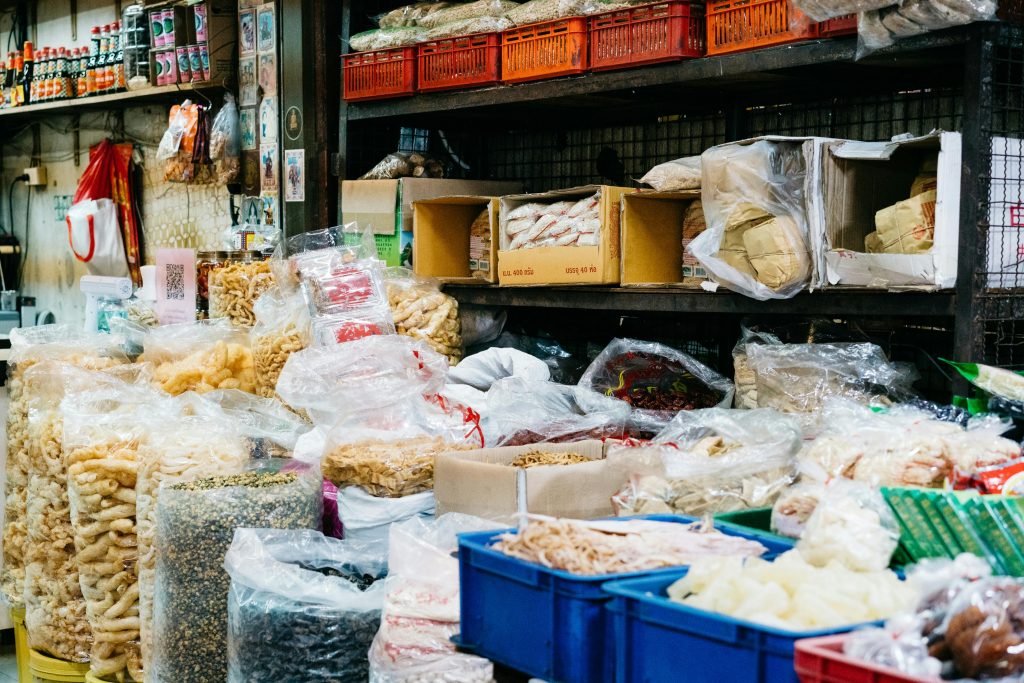
The recent surge in plastic prices, which has reached up to 60% in early 2026 in some areas, represents more than a localized economic challenge. But rather as a critical turning point for the global sustainability agenda. Triggered by supply chain disruptions and geopolitical instability in energy-producing regions, this crisis highlights the vulnerability of a "linear" economy. Within the framework of SDG 12 (Responsible Consumption and Production), this situation serves as a stark reminder that our current dependence on petroleum-based materials is both environmentally and economically unsustainable.
 Source: Pexels.com
From the perspective of the UI GreenMetric ranking, particularly in the “Waste Management” category, this trend underscores the importance of implementing institutional strategies aimed at reducing the use of single-use plastics. One of the key indicators in this area is the implementation of programs to reduce the use of plastic and paper on campus, which increasingly encourages the shift toward practical alternatives. These include the use of reusable bags, such as tote bags, the gradual replacement of plastic packaging with biodegradable materials, and the reduction of excessive packaging through minimalist design. Just as universities are evaluated on their ability to minimize plastic waste, current market pressure on small and medium-sized enterprises (SMEs) serves as an external catalyst for similar behavioral changes. According to the head of the Department of Cooperatives and SMEs, Surabaya’s Mia Santi Devi, significant price increases require immediate innovation in packaging to ensure the viability of businesses without compromising their production costs. In this sense, economic pressures and sustainability metrics converge, pushing both institutions and businesses toward more responsible consumption models.
 Source: Pexels.com
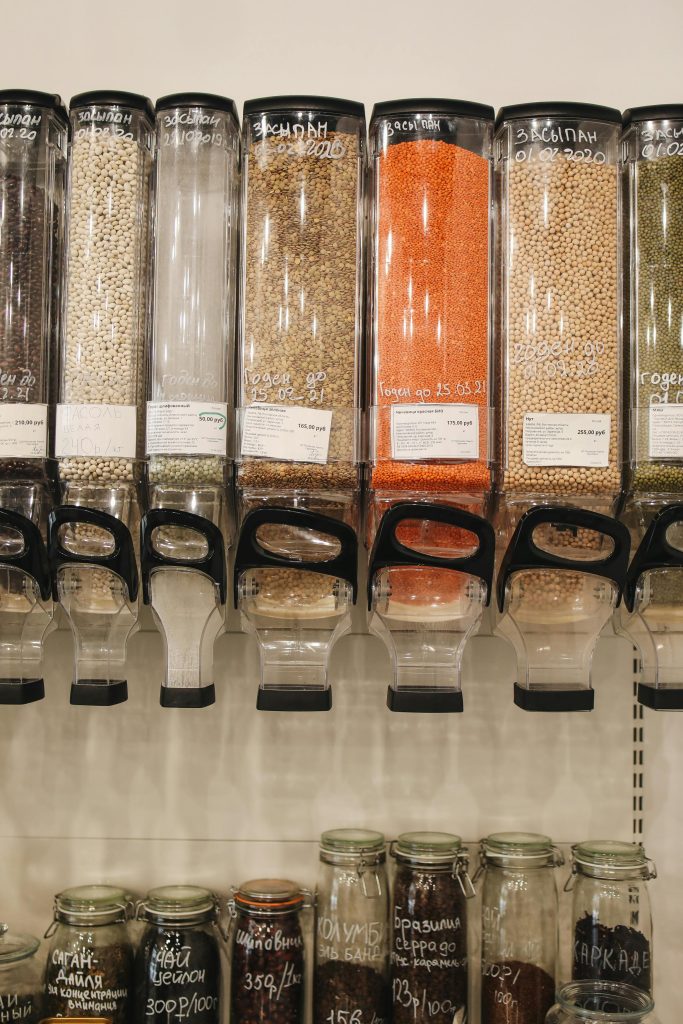
This crisis also meets the criteria for “Waste Recycling” and “Organic Waste Management” as defined in the UI GreenMetric framework. As small and medium-sized enterprises in cities such as Surabaya strive to transition to alternative eco-friendly materials, they are not only replacing plastic but also experimenting with a wider range of environmentally sustainable practices. These practices range from the use of plant-based, compostable packaging to the implementation of refill and bulk systems, as well as new reuse models such as returnable containers. Such changes reflect the ongoing shift from a linear consumption model to a “closed-loop” system, in which material use is minimized and materials are kept in constant circulation. By adopting these strategies, both institutions and businesses are moving toward a circular economy model that prioritizes efficiency and sustainability. Financial experts and government officials note that such transitions are no longer merely an ethical choice but have become an economic necessity to prevent “cost inflation” that threatens the stability of the informal sector.
 Source: Pexels.com
Furthermore, the strategic response of local governments to shorten supply chains and connect producers directly with alternative material distributors mirrors the administrative accountability required in sustainability reporting. The UI GreenMetric methodology emphasizes not just the physical reduction of waste but the management systems that ensure transparency and long-term impact. By documenting these transitions from plastic to sustainable alternatives, organizations can prove their resilience. As emphasized by members of the Indonesian House of Representatives, the current pressure on the plastic industry should be met with concrete policy responses that foster the growth of domestic petrochemical alternatives and bio-based industries.
Written by Muhammmad Dito Rizki Suprapto - Media Relations Intern of UI GreenMetric Edited by Riska Putri Hariyadi - Communications Coordinator of UI GreenMetric
References
CNN Indonesia. (2026, April 7). Harga plastik naik 60 persen di Surabaya, UMKM didesak ganti kemasan. https://www.cnnindonesia.com/ekonomi/20260407152222-92-1345182/harga-plastik-naik-60-persen-di-surabaya-umkm-didesak-ganti-kemasan
Kompas. (2026, April 6). Harga plastik naik, pemerintah diminta intervensi karena UMKM tertekan. https://nasional.kompas.com/read/2026/04/06/20182631/harga-plastik-naik-pemerintah-diminta-intervensi-karena-umkm-tertekan-dan
UI GreenMetric. (2025). UI GreenMetric world university rankings: Guideline and methodology on waste management (WS). https://greenmetric.ui.ac.id/publications/guidelines
United Nations. (n.d.). Goal 12: Ensure sustainable consumption and production patterns. Sustainable Development Goals. https://sdgs.un.org/goals/goal12