Vernacular Architecture in Bahrain: A Blend of Culture, Climate, and Sustainability
Bahrain’s vernacular architecture is known to be a blend of culture, climate, and sustainability through courtyards, wind towers, and traditional design.
Architecture is often perceived as designing built structures. However, there exists a deeper meaning to spaces that are designed; About creating meaning, connections and experiences. They relate to culture, climatic response, human experiences etc. In Bahrain, vernacular architecture offers a powerful example of how local building traditions respond directly to environmental conditions and social values, creating spaces that are both functional and culturally meaningful. Vernacular Bahraini architecture was developed using locally available materials such as coral stone, gypsum, and palm wood. The use of local materials also reflects a colour scheme that blends with the context. These materials were not only accessible but also well-suited to the harsh coastal climate. Thick load-bearing walls provided thermal mass, reducing heat gain during the day and releasing it slowly at night, while light-colored façades helped reflect sunlight. Some of these buildings can be noticed in Old Muharraq.
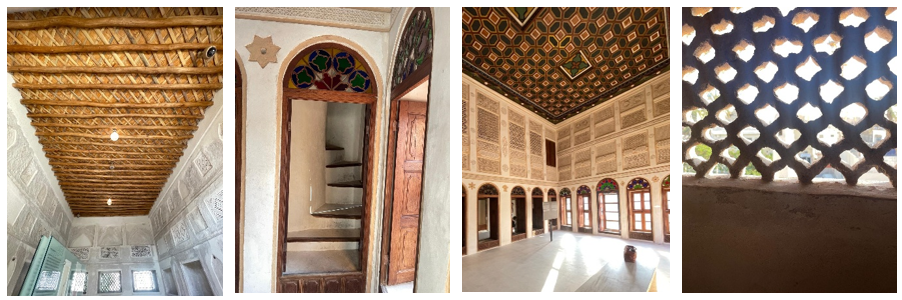
Fig 1. Images showing traditional architectural elements in buildings of Old Muharraq
A significant feature of Bahraini House is the central courtyard, which acts as a microclimatic regulator. This inward-facing spatial organization enhances privacy reflecting cultural value while allowing for natural ventilation and shaded outdoor living. The courtyard also creates a social space within the home, reinforcing family connections. Liwan, Zeej, Merlona are other architectural elements and spaces of cultural significance and meaning. Another essential feature is the wind tower, or bādgīr. This passive cooling system captures prevailing winds and channels them into interior spaces, improving air circulation and reducing indoor temperatures. Often combined with cross-ventilation strategies, such as aligned openings and screened windows, the bādgīr demonstrates an early understanding of sustainable design.
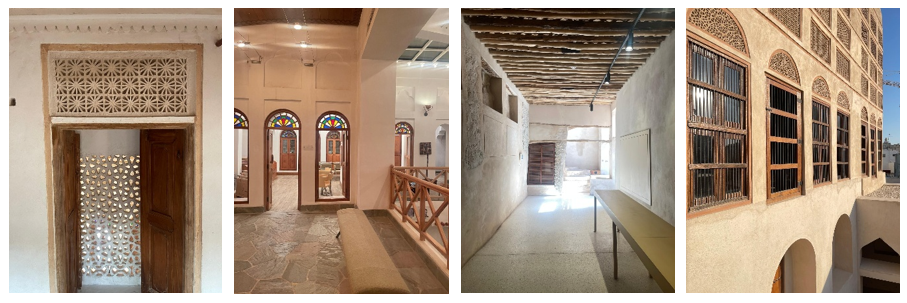
Fig 2. Images showing traditional architectural elements in buildings of Old Muharraq
The use of mashrabiya (wooden lattice screens) further reflects the balance between climate control and cultural practice. These intricately carved elements filter sunlight, reduce glare, and allow airflow. They also reflect the concept of privacy in traditional homes and add to the aesthetics of these buildings. Similarly, recessed windows and shaded arcades minimize direct solar exposure. Urban design also plays a significant role. Traditional Bahraini settlements feature narrow sikkas (alleys) that create shaded pedestrian pathways and encourage airflow between buildings. This compact urban fabric reduces heat buildup and provides a sense of community. These are also connected to open spaces for socialization which are known as Baraha. The residential homes often included liwans (covered verandas) and multiple reception spaces, reflecting both social hierarchy, the need to host guests and separate spaces for men and women. A Qahwa room is another feature that acts as a space of social interaction and cultural exchange. Decorative gypsum panels, ceilings and carved wooden doors and windows are other significant elements.
Central Courtyard
Acts as a microclimatic regulator, enhancing privacy while allowing natural ventilation and shaded outdoor living.
Wind Tower (Bādgīr)
A passive cooling system that captures prevailing winds and channels them into interior spaces, reducing indoor temperatures.
Mashrabiya
Wooden lattice screens that filter sunlight, reduce glare, allow airflow, and reflect the concept of privacy in traditional homes.
Sikkas & Baraha
Narrow alleys create shaded pedestrian pathways encouraging airflow, connected to open spaces for socialization.
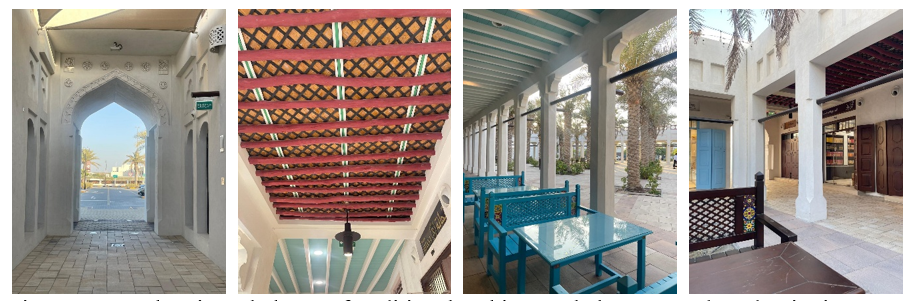
Fig 3. Images showing a balance of traditional architectural elements and modernity in Souq Al Baraha
Architecture in Bahrain today often revisits these vernacular principles. Architects are increasingly integrating passive design strategies such as courtyards, shading devices, and natural ventilation into contemporary buildings, blending tradition with modern techniques while meeting sustainability. Some of these elements can be spotted in Souq Al Baraha. Shaded corridors, open courtyards, traditional architecture elements and archways add to the authenticity of the space balancing both traditional architecture and modernity. Street like walkways provides visitors with a sense of place and experience contextuality. Vernacular Bahraini architecture is not just a response to climate, rather a reflection of identity, culture, and history. Through elements like the bādgīr, liwan and mashrabiya, it tells a story of culture, adaptability, and thoughtful design, proving that the past still shapes today’s spaces. Ultimately, vernacular architecture reminds us that the future of design does not lie in abandoning the past, but in learning from it and preserving heritage while shaping environments that resonate with both tradition and innovation.
Vernacular architecture reminds us that the future of design does not lie in abandoning the past, but in learning from it and preserving heritage while shaping environments that resonate with both tradition and innovation.